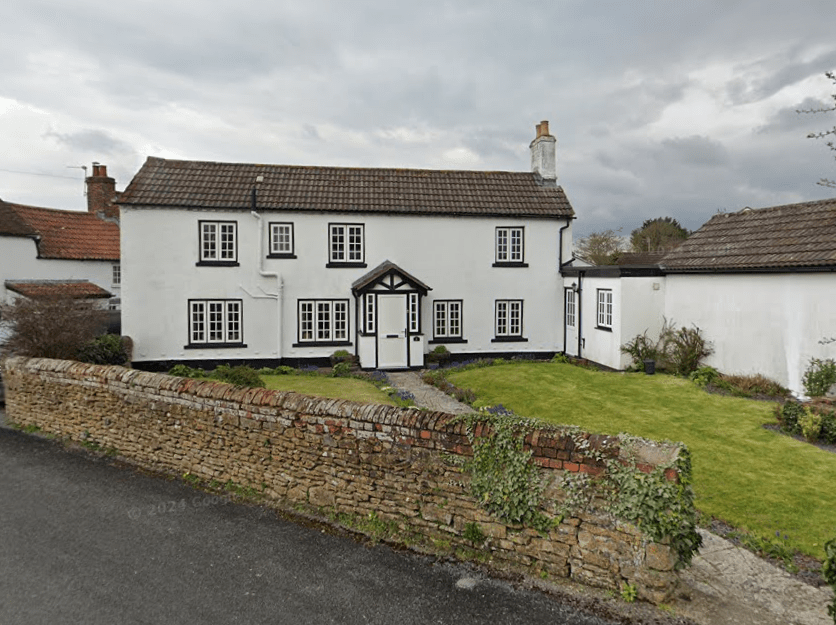
The first house on The Rank is a striking black and white house. It sits slightly back from the road at an angle, and has some outbuildings adjacent to the main house.
In March 1893, an advert appears in the Trowbridge Chronicle for its sale by auction at the Old Ring of Bells Inn in the village:
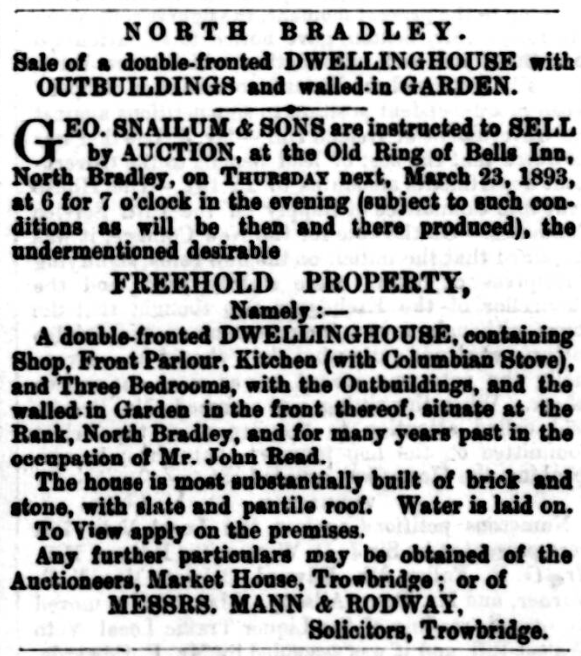
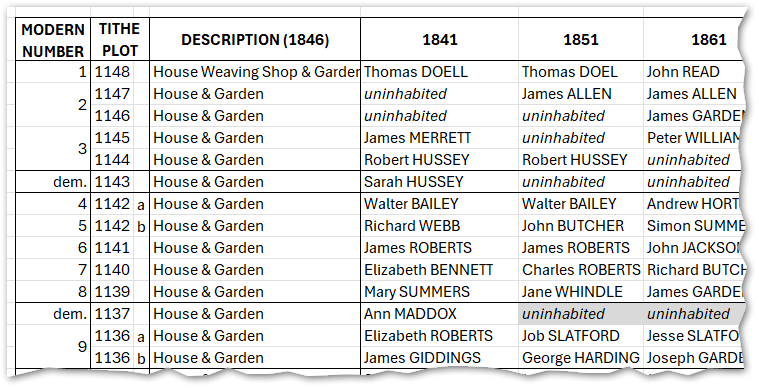
John Read must have been a very well-known figure on The Rank, having lived there for many decades, and appearing on the census of 1841 at The Rank aged 25.
On the census of 1891, the first entry for The Rank (therefore house No. 1 when the street address became standardised) is for John and his wife Ann, aged 76 and 66 respectively, where his occupation is given as Grocer. The house is put up for sale, as shown in the above advert, two years later. Later, in 1901, John Read – now a widower – resides in the Union Workhouse at Westbury, where he dies aged 85.
The next person who we can confidently point to as an occupant of No. 1, The Rank is Arthur Culverhouse. In 1901 he is recorded as residing there as the head of the household, aged 37, with his wife Emily (35), daughter Elsie (13), and a boarder named William Smith (21).
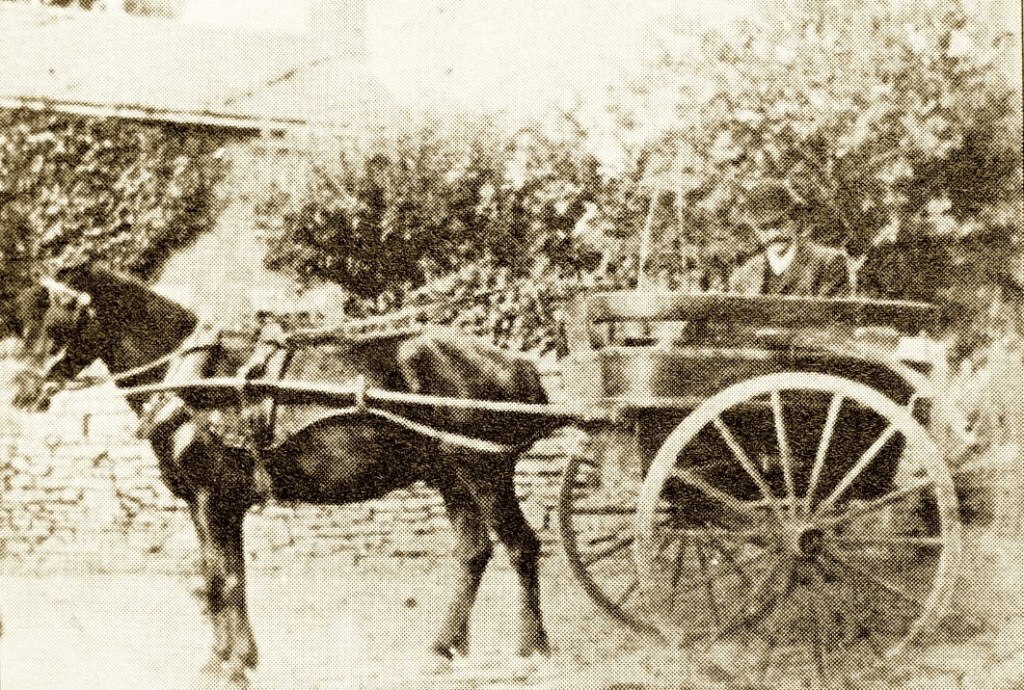
It’s possible that Arthur Culverhouse had bought the house in the auction of 1893, though he was no stranger to North Bradley, or The Rank. In the 1891 census mentioned above (where John Read is the 76-year-old grocer), he is already close by, at a house that is given as number 4 on the census schedule.
It’s hard to say at first glance whether he was living at what is now No. 4, The Rank or a different house, since house numbers and census schedules don’t necessarily match up (and if you run with this assumption in general, you do so at your peril!). However, some of the detail given on the census of 1891 itself offers an intriguing clue to help work this out.
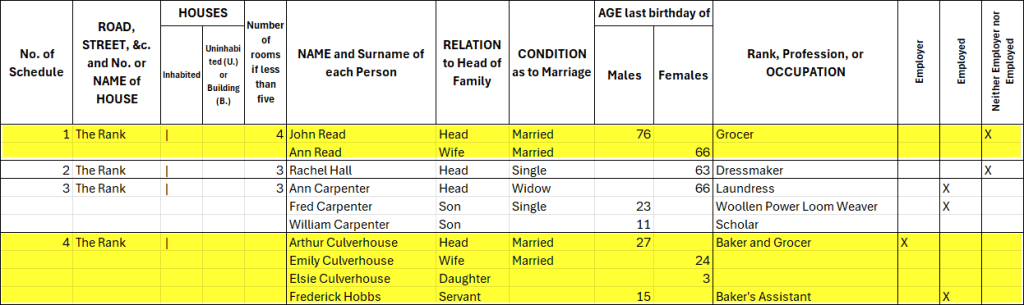
Arthur’s occupation is recorded as ‘Baker and Grocer’, and he is an Employer. Also in the household is a servant, Frederick Hobbs, recorded as ‘Employed’ as a ‘Baker’s Assistant’. Note that John himself, still at No. 1 at this time, is recorded as being ‘Neither Employer nor Employed’.
Could it be that by this point Arthur headed up the business, and that he and John worked together to run the shop? Given that by this point John was advancing in years, we can imagine that the two pairs of younger, stronger hands by way of Arthur and his assistant Frederick would have been a great help.
Another piece of evidence to help understand the relationship between Arthur, John, and the shop business, is to look at the layout of the houses themselves, and their proximity to each other.
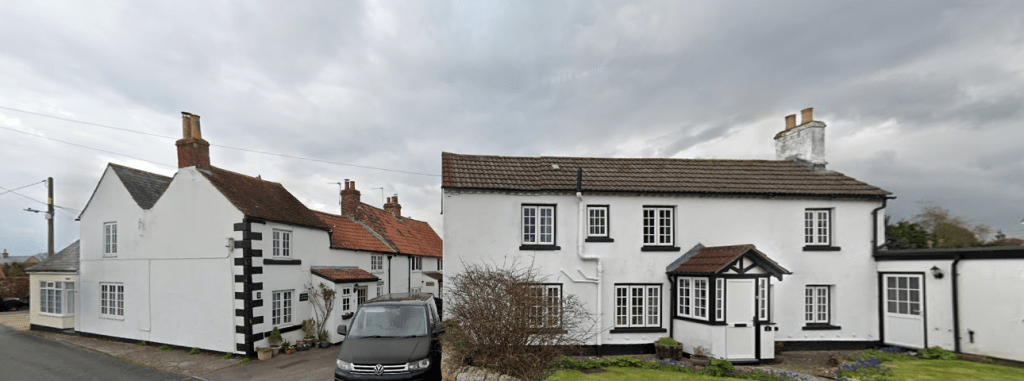
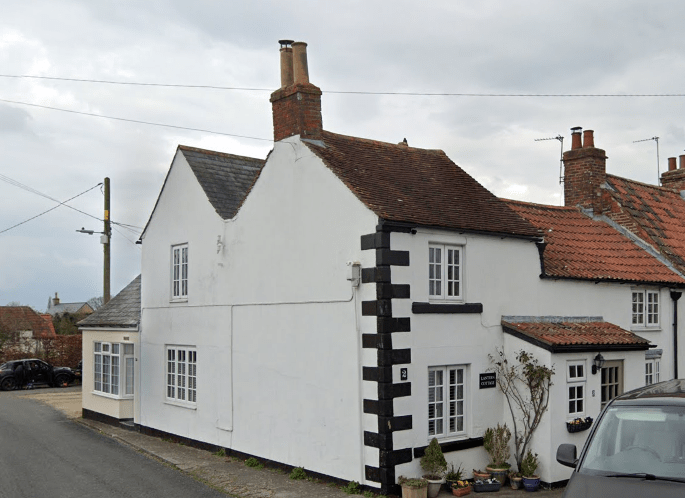
No. 2, The Rank sits on the end of a short terrace of houses with two other dwellings. A short, narrow driveway – a handful of metres wide – separates it from No. 1. The census enumerator in 1891 might therefore have started this row with No. 4, furthest away from the road (and being enumerated as schedule number 2), and worked back towards the road to finish this group of houses with No. 2, pictured on the left in the image above, recorded as schedule number 4, where Arthur Culverhouse is recorded.
This proximity would certainly help the two men run the business together as John Read began to think about his final years. Maybe he told Arthur about his plans to sell No. 1, and suggested that he buy it!
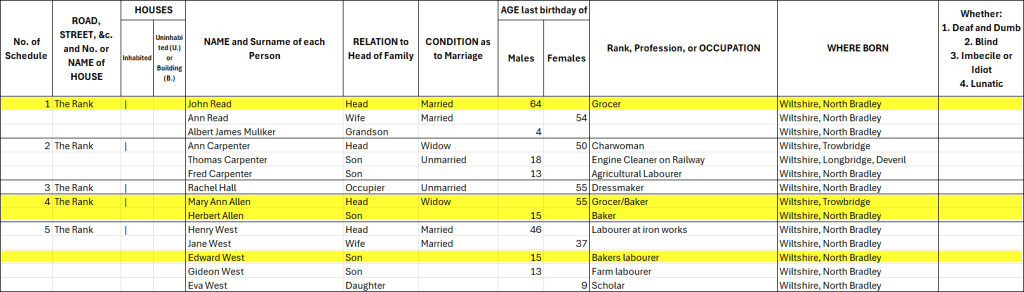
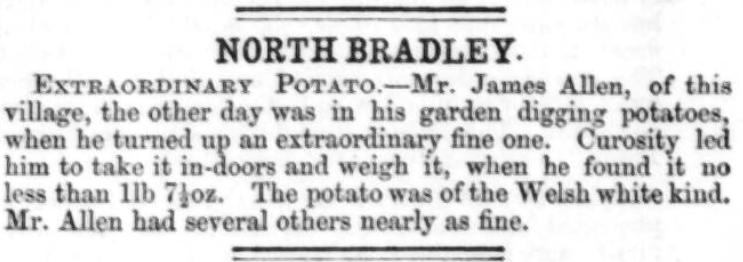
The pattern of bakers, grocers, etc. living in these two houses seems to be a fairly established one. The census of 1881 records John Read, as a grocer, at No. 1, and, across the way at No. 2 (schedule number 4), Mary Ann Allen and her son Herbert Allen, as grocers and bakers. Furthermore, they enlisted the help of Edward West, the son of their next-door neighbour at No. 5! (Another decade earlier in 1871, Mary Ann Allen’s husband James Allen was still living, and his occupation recorded as grocer).
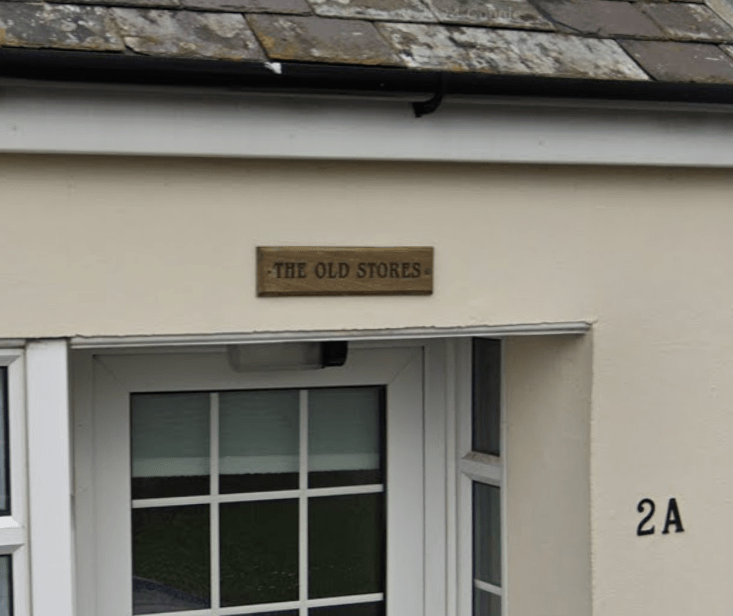
The location of the shop itself appears to have adjoined No. 2, and the building survives today as No. 2a. It doesn’t seem likely that this is the same ‘shop’ as the one described in the 1893 advert for the sale of No. 1, but it is remembered by many North Bradley residents as the shop on The Rank, and seems likely to be the outlet for the various bakers who lived at No. 2 over time.
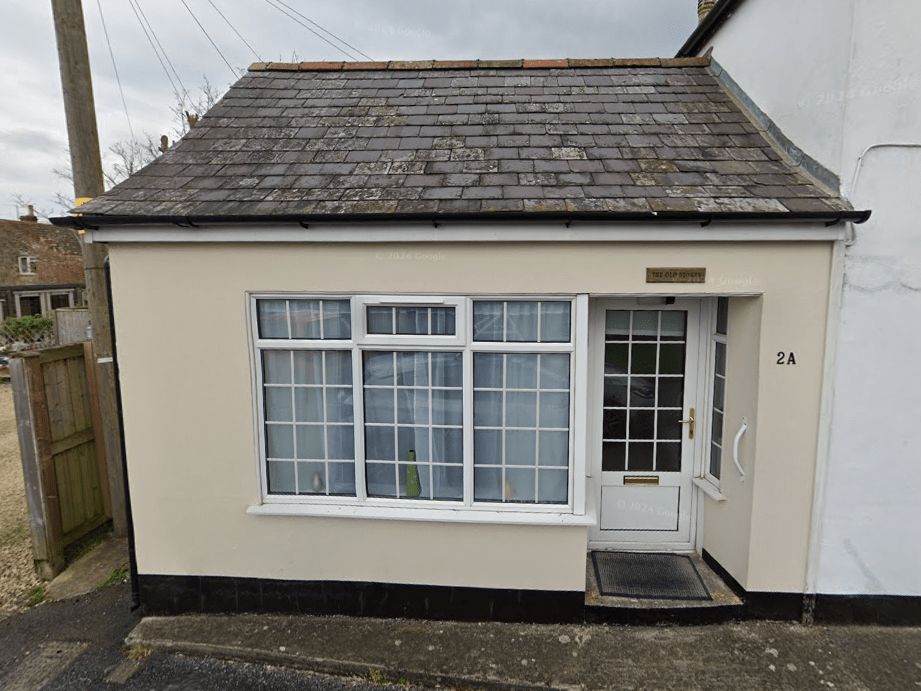
In 1997, a planning application for No. 2a was put in, which proposed a ‘Change of use from shop to dwelling’, and this was approved.
The dwelling now bears the nickname ‘The Old Stores’, a fitting nod to its history as the shop from which the industrious James Allen, Mary Ann Allen, John Read, and Arthur Culverhouse carried on their business over the decades.
P.S. There’s much more to come in this One-Place Study regarding Arthur Culverhouse and his extended family on The Rank – not least because my great-great-grandparents are among them! Watch this space.


 The Rank, North Bradley | One-Place Study
Leave a comment